

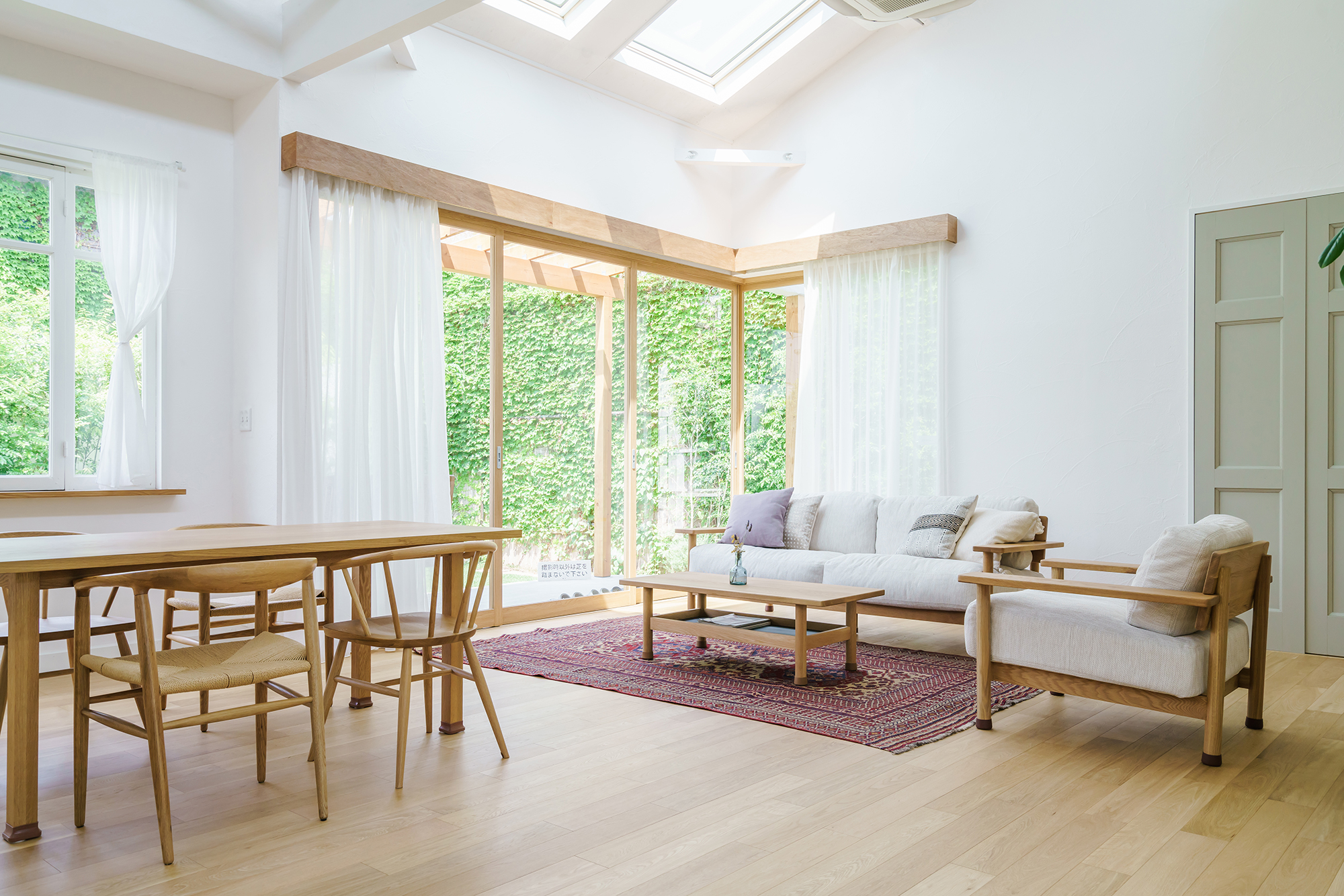
Why indoor air quality matters when choosing laminate
When people shop for laminate, they often focus on color, plank width, water resistance, and price. Those things matter. But for many households, especially homes with children, older adults, allergy concerns, or people sensitive to odors, emissions matter too.
Laminate flooring is made in layers. The wear layer protects the top visual surface. Under that sits a printed design layer, then a high-density fiberboard or HDF core, and finally a balancing layer underneath. The part most buyers should pay attention to is the core and the adhesives used in manufacturing. These are where emissions questions usually begin.
That does not mean laminate is automatically unsafe. It means you should know which certifications are meaningful and which claims are mostly marketing language.
What FloorScore actually tells you
FloorScore is an indoor air quality certification for hard surface flooring and adhesives. It focuses on volatile organic compound emissions, commonly called VOCs. In simple terms, it helps verify that a flooring product has been tested for low chemical emissions in indoor environments.
This matters because a floor can look great and still give off an odor or contribute to poor indoor air quality during or after installation. A product with FloorScore certification has been tested against recognized emissions criteria rather than relying on vague packaging language like “eco-friendly” or “healthy home approved.”
For buyers, the key point is this: FloorScore is useful because it deals with what the installed product emits into the living space, not just how it was advertised.
What CARB2 means and why it is not the same thing
CARB2 refers to California Air Resources Board formaldehyde emission standards for composite wood products. In laminate, that matters because the HDF core is a wood-based composite product.
CARB2 compliance is about formaldehyde emissions from the wood composite itself. It is not a broad indoor air quality certification for the whole flooring system. That is why CARB2 and FloorScore are not interchangeable.
A laminate floor can be CARB2 compliant because its core meets formaldehyde emission limits. A FloorScore-certified laminate has also been evaluated for broader VOC emissions. The strongest option for many families is often a product that meets both.
What low-VOC actually means in real life
“Low-VOC” sounds reassuring, but the term is often used loosely. It is better treated as a starting point than a final answer.
When a laminate product is marketed as low-VOC, ask these practical questions:
Is there a recognized third-party certification behind the claim?
Does the product data sheet specify emissions testing?
Is the adhesive system during installation also low-emission if glue is involved?
Does the underlayment add odor or emissions of its own?
This is where many homeowners miss a detail. Even if the laminate itself is a better low-emission product, the underlayment, adhesive, or transition materials can still affect indoor air quality.
What health-conscious buyers should check before buying
A smart laminate purchase usually comes down to five checkpoints.
1. Core quality
Look for dense, well-manufactured HDF rather than the cheapest possible core. Better core density often improves dimensional stability, locking strength, and resistance to edge swelling.
2. Third-party certification
Do not rely only on front-label wording. Ask for product documentation showing certifications such as FloorScore and CARB2 compliance where applicable.
3. Installation method
Floating laminate is common, but the underlayment matters. Some attached pads are convenient, while separate underlayments can offer better acoustic or moisture performance. Ask whether the full assembly has been considered, not just the plank itself.
4. Moisture resistance
If the floor is going into kitchens, hallways, or family entry areas, check edge sealing and water-resistance details. Low emissions are important, but a floor that swells at the seams after a spill becomes a different problem.
5. Odor after installation
Even low-emission products can have a mild new-product smell for a short time. Good ventilation, professional installation, and correct acclimation can help reduce that.
Common mistakes buyers make
One mistake is assuming all laminate from a major brand performs the same. Product lines can vary significantly in core density, locking system quality, moisture resistance, and emissions profile.
Another mistake is chasing the cheapest square-foot price without asking what is included. Installation quality, underlayment choice, and subfloor prep affect both performance and indoor comfort.
A third mistake is treating certifications as the whole story. Certifications are valuable, but they work best when paired with good product construction and correct installation.
When laminate is the right fit
Laminate can be an excellent choice for bedrooms, living rooms, hallways, offices, and many family spaces where you want wood visuals, scratch resistance, and easier maintenance. It can also be a smart fit for homeowners who want a cleaner, lower-fuss surface than carpet while staying budget-conscious.
The best results come from matching the product to the room, the traffic level, and the household’s priorities rather than buying off a display board alone.
If your household is paying closer attention to indoor air quality, FloorScore, CARB2 compliance, and low-VOC claims deserve a real look, not just a quick glance. The right laminate should balance emissions performance, core quality, water resistance, and installation details so the floor works as well as it looks.
At R-n-R Flooring and Design, we help homeowners compare laminate options with the technical details that actually matter. Visit Ogden, UT to explore products in person and get guidance for homes across Weber, Davis, Morgan, and Salt Lake, UT and Southern Idaho, ID and Southwestern Wyoming, WY. If you are ready to narrow down the right laminate for your space, contact us today for expert help and a buyer-ready recommendation.


