

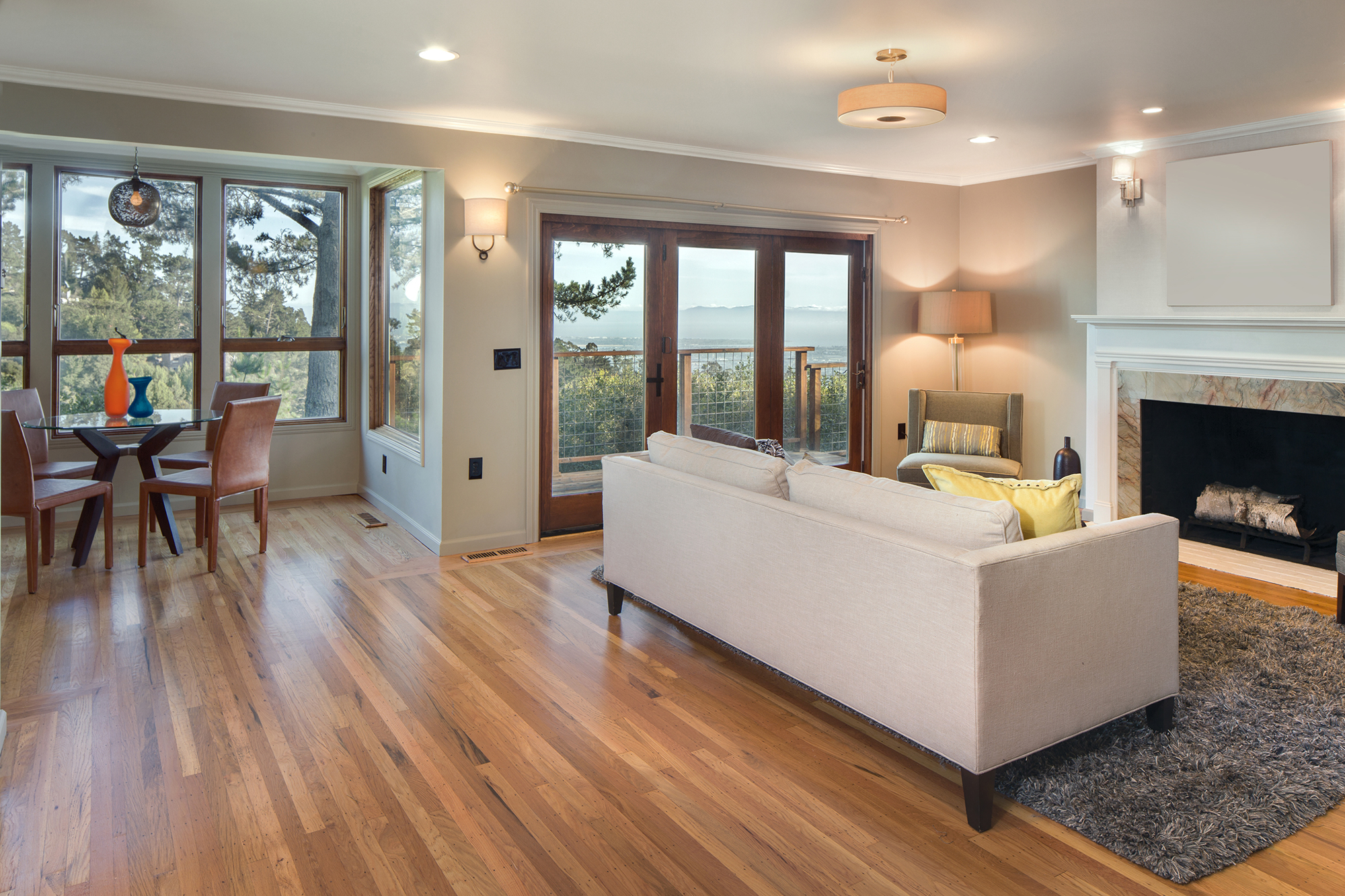
Most flooring disappointments are not color problems. They are performance problems. Floors fail because the wrong product was selected for the traffic, moisture, subfloor condition, or acoustic needs of the room.
That is why remodeling decisions should begin with specifications, then move into style. When homeowners reverse that order, they often end up forcing a beautiful product into the wrong application.
Laminate specs worth paying attention to
Core density
A denser HDF core generally supports better locking strength, improved stability, and a more solid feel underfoot. Lower-density cores may be more vulnerable to edge damage and movement.
Thickness
Thickness alone does not guarantee performance, but it does affect feel, sound, and tolerance for minor subfloor imperfections. A better-made 10 mm laminate can outperform a poorly made 12 mm product, so thickness should be viewed alongside core quality.
AC rating
AC ratings relate to abrasion resistance. In practical residential use, AC3 is common, while AC4 offers more durability for heavier traffic. Not every home needs the highest rating, but high-use households often benefit from stepping up.
Locking system quality
The click-lock profile matters more than many buyers realize. A stronger locking system helps the floor stay tight, reduces movement at the seams, and supports cleaner installation lines.
Water resistance details
“Waterproof” claims should be read carefully. Ask what part of the plank is protected, how long spills can remain before damage risk rises, and whether wet-mopping or standing water is excluded from warranty language.
Tile specs that matter in real homes
Porcelain versus ceramic
Porcelain is typically denser and less absorbent, which often makes it better for wet areas and heavier-use spaces. Ceramic can still be a good fit in certain wall or lower-demand applications, but many remodelers prefer porcelain for floor performance.
Slip resistance
In bathrooms, entries, and mud-prone areas, surface texture matters. A tile that looks sleek on a board may be too slick where wet feet or shoes are involved.
PEI rating
For glazed tile, PEI ratings help indicate resistance to surface wear. Higher-use spaces generally benefit from stronger wear resistance, especially in kitchens and entries.
Rectified versus pressed edges
Rectified tile allows tighter grout joints but requires a flatter substrate and tighter install tolerances.
Tile size and warp tolerance
Large-format tile reduces grout lines but demands better floor prep and lippage control.
How homeowners can shop more intelligently
Before making a flooring decision, ask:
What is the core density or wear rating
What underlayment or prep is required
Is it suited for my traffic and moisture levels
What install tolerances matter
What warranty actually covers real-life use
The flooring specs that matter most are the ones tied to how your home actually functions. Trends shape the look, but specs decide whether the floor performs long after installation.
At R-n-R Flooring and Design, we help homeowners evaluate flooring by performance and design. Visit Ogden, UT to explore options across Weber, Davis, Morgan, and Salt Lake, UT and Southern Idaho, ID and Southwestern Wyoming, WY. Contact us today for expert guidance.


