

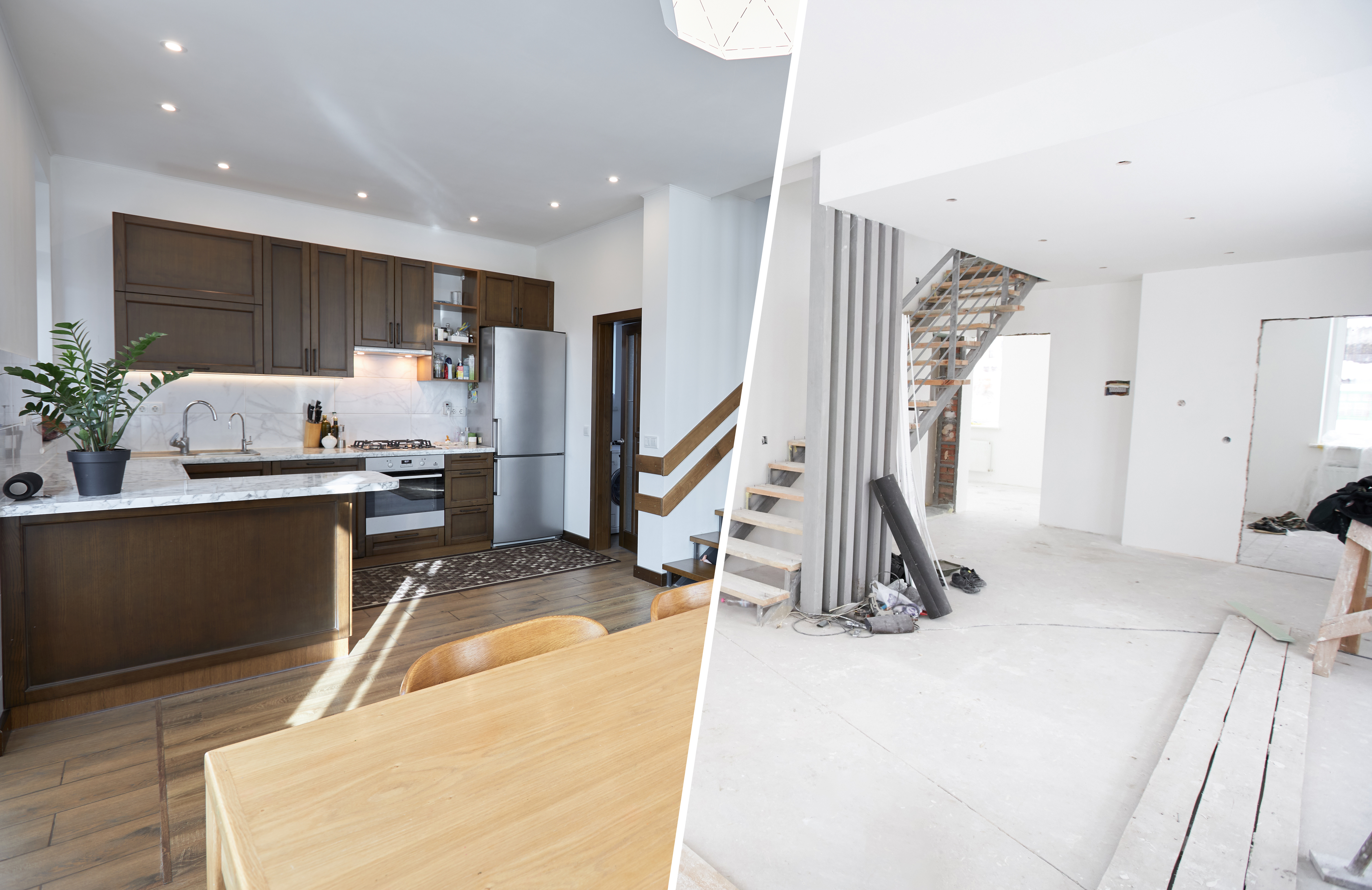
Renovating a home in Ogden or the greater Northern Utah region often means blending old elements with new ones—especially when it comes to flooring. Many homeowners love the look of warm wood tones, rustic finishes, or modern stained planks, but unintentionally mixing too many wood colors can create a chaotic, disconnected interior.
The issue isn’t that mixing woods is wrong; it’s that most homes skip what truly makes it work: an intentional transition plan. At RnR Flooring & Design, we see this mistake in nearly every flooring consultation—beautiful floors compromised by mismatched undertones and abrupt visual stops.
Why Wood Tones Clash in the First Place
Wood tones are defined by two main characteristics:
The dominant hue (gold, red, brown, gray, espresso).
The undertone (warm, cool, or neutral).
A homeowner may choose a trendy cool-gray LVP for the living room, only to discover their existing golden-oak kitchen cabinets suddenly look orange. Or they’ll install a dark walnut laminate in the hall where their existing red-toned cherry furniture sits. Without understanding undertones, even expensive flooring can look “off.”
Utah homes especially struggle with this because natural light at higher elevations exaggerates color inconsistencies. Wood that looks subtle in a showroom can look far more intense in a sunlit Ogden living room.
The Science of “Visual Flow” in Mixed-Wood Homes
Professional designers rely on the concept of visual flow—the way the eye travels from one space to another. When wood tones shift suddenly, the eye is forced to stop, making the home feel chopped up. Homes with open floor plans or long hallways (common in Weber and Davis County builds) suffer most.
To achieve flow, you need:
Shared undertones even if the colors differ.
A balancing element such as furniture or décor that bridges the tones.
Consistent sheen levels (matte vs. glossy).
A flooring transition or “break” that looks intentional.
Transition Strategies the Pros Use
Mixing woods works beautifully when the transition itself becomes a design feature. Here are the strategies we use at At RnR Flooring & Design:
1. Thresholds That Match the New Flooring
A modern, clean approach that says:
“Different rooms, different purpose—done intentionally.”
2. Border Inlays Using a Neutral Tone
Perfect for creating a visual “frame” that unifies multiple flooring styles.
3. Using Area Rugs to Blend Undertones
A rug with both tones can soften the contrast and create coherence—especially in open living spaces.
4. Controlling Sheen and Texture
Mixing glossy hardwood with matte LVP draws attention to the differences. Aligning sheen levels creates harmony even when colors vary.
5. Repeating the Wood Tone Elsewhere in the Room
If a floor differs dramatically, repeat that tone in shelves, stair rails, or furniture for balance.
What NOT to Do
Do not mix red-based and yellow-based woods. They fight each other visually.
Do not transition randomly without a structural or visual cue.
Do not assume natural light is neutral. Utah’s bright, high-elevation sunlight changes everything.
Why Utah Homes Especially Need a Transition Plan
Utah homes frequently feature:
Split-level layouts
Open kitchens flowing into family rooms
Long sight lines from front door to living spaces
Lots of natural light
These amplify color clashes. A proper transition plan is not optional—it’s the difference between a remodel that feels “custom” and one that feels “chaotic.”
How RnR Flooring and Design Helps Homeowners Get It Right
Our design specialists use:
On-site color evaluations
Undertone matching
High-elevation lighting analysis
Sample staging with your existing furniture
We help homeowners mix woods beautifully—not accidentally.
Mixing wood tones without a plan is one of the most common and avoidable remodeling mistakes in Ogden and surrounding Utah communities. With the right hardwood transitions and undertone strategy, your home can look intentional, warm, and seamlessly cohesive.
For expert help perfecting your remodel, visit our Ogden, UT Showroom or call today. We proudly serve Ogden, Weber County, Davis County, Salt Lake County, Southern Idaho, and Southwestern Wyoming.


